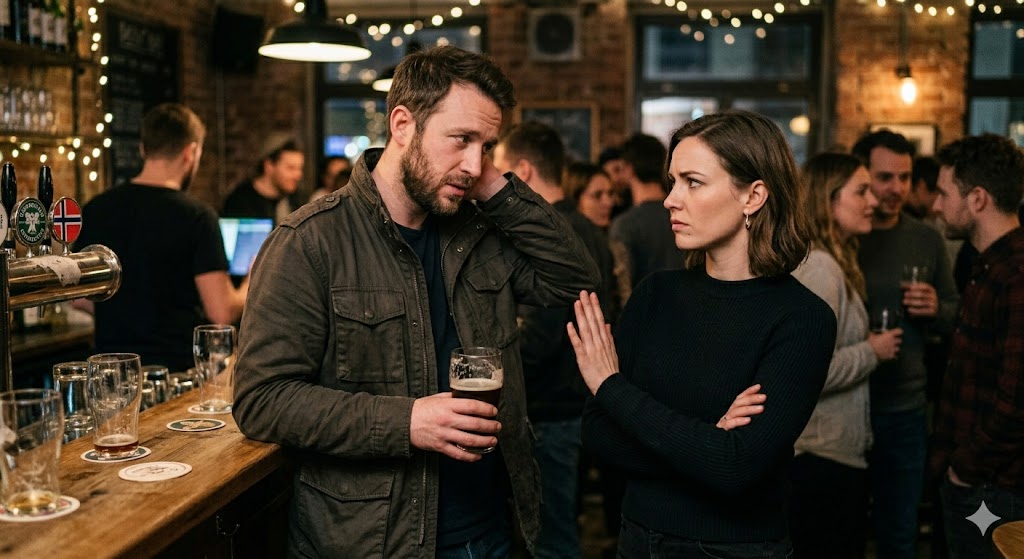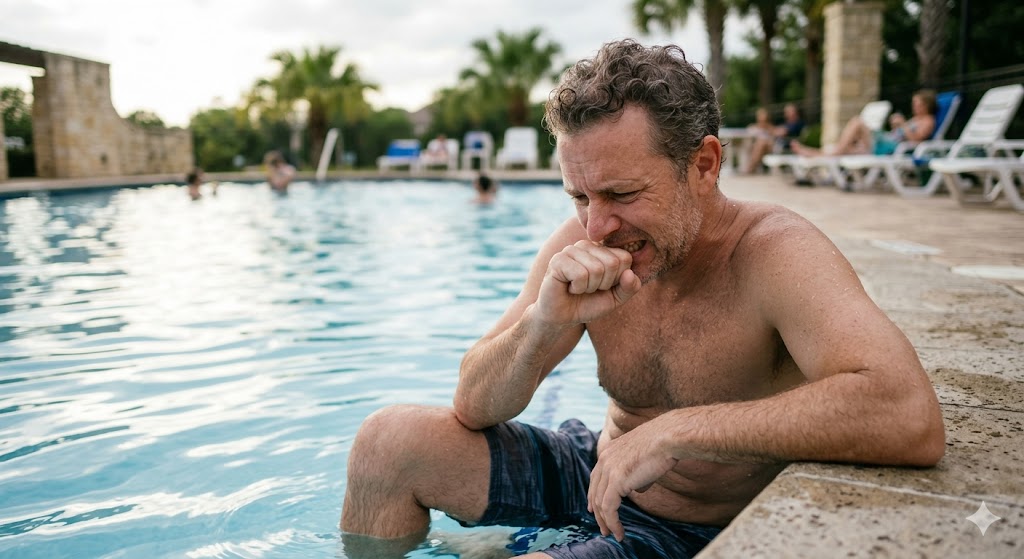
For most of my life, I thought suppressing emotions was simply part of being a man.
I didn’t question it.
I didn’t analyze it.
I certainly didn’t talk about it.
If something hurt, I kept it to myself.
If I was struggling, I handled it privately.
If I felt disappointed, anxious, overwhelmed, or lost, I convinced myself that talking about it would accomplish nothing.
I know now that I wasn’t alone.
Many men grow up learning the same lesson.
Not because someone explicitly tells them to suppress their emotions every day, but because the message is communicated in countless subtle ways throughout life.
Over time, many men learn that showing certain emotions feels risky.
So they hide them.
They bury them.
They ignore them.
And eventually, they become so accustomed to suppressing their emotions that they don’t even realize they are doing it.
The Lessons Start Early
I think emotional suppression often begins in childhood.
Boys quickly learn which emotions are socially acceptable and which are not.
Excitement is acceptable.
Confidence is acceptable.
Determination is acceptable.
But sadness, fear, vulnerability, insecurity, and emotional pain often receive a different response.
Many boys hear phrases like:
- “Be tough.”
- “Don’t cry.”
- “Shake it off.”
- “Man up.”
- “Stop being so sensitive.”
Most of these comments are not intended to cause harm.
Parents, coaches, teachers, and family members often believe they are preparing boys for a difficult world.
But repeated enough times, those messages can create a powerful belief:
Certain emotions should stay hidden.
As boys become men, that belief often follows them.
Many Men Fear Appearing Weak
In my opinion, one of the biggest reasons men suppress emotions is fear.
Not fear of the emotions themselves.
Fear of how those emotions will be perceived.
Many men worry that vulnerability will make them appear weak.
They fear losing respect.
They fear being judged.
They fear becoming a burden to others.
Even today, many men feel comfortable discussing work problems, financial goals, sports, politics, or current events.
Yet when conversations move toward loneliness, anxiety, self-doubt, grief, or emotional pain, silence often takes over.
The emotional risk feels too high.
So they keep it inside.
Success Doesn’t Eliminate Emotional Struggles
One thing I have learned is that emotional suppression affects men from every background.
Successful men suppress emotions.
Strong men suppress emotions.
Confident men suppress emotions.
Men with families suppress emotions.
Men who appear to have everything together suppress emotions.
The outside rarely tells the full story.
I’ve met men who looked incredibly successful while privately struggling with stress, burnout, depression, loneliness, or uncertainty.
From the outside, nobody would have guessed.
Because they had become experts at appearing fine.
Many men become so skilled at hiding emotions that even the people closest to them don’t realize anything is wrong.
The Problem With Suppression
The problem is that emotions don’t disappear simply because we ignore them.
They remain.
They wait.
What is suppressed often finds another way to surface.
Stress becomes irritability.
Fear becomes anger.
Loneliness becomes isolation.
Disappointment becomes cynicism.
Anxiety becomes exhaustion.
Many men believe they are controlling their emotions when they suppress them.
In reality, those emotions often begin controlling them from the background.
The emotional pain doesn’t vanish.
It simply changes form.
Why Anger Often Becomes the Default Emotion
I’ve noticed something interesting over the years.
Many men who rarely express sadness or fear have no problem expressing anger.
There is a reason for that.
Anger is often viewed as a more acceptable emotion for men.
Society frequently interprets anger as strength.
Sadness and vulnerability, on the other hand, are often viewed differently.
As a result, many men learn to convert difficult emotions into anger.
The problem is that anger rarely addresses the real issue.
Beneath anger there is often:
- hurt
- disappointment
- fear
- frustration
- insecurity
- grief
Until those underlying emotions are acknowledged, the anger tends to return.
Emotional Awareness Is Not Weakness
One of the most important lessons I’ve learned is that emotional awareness and strength are not opposites.
In fact, I believe they often work together.
Understanding what you’re feeling doesn’t make you weak.
Acknowledging stress doesn’t make you weak.
Talking about struggles doesn’t make you weak.
Being honest about emotional pain doesn’t make you weak.
What weakens people is often the constant effort required to hide everything.
Pretending to be fine can become exhausting.
Maintaining an image can become exhausting.
Carrying emotional weight alone can become exhausting.
There is strength in honesty.
There is strength in self-awareness.
And there is strength in recognizing when support is needed.
The Cost of Staying Silent
I think one of the saddest consequences of emotional suppression is isolation.
Many men suffer quietly because they assume nobody else understands.
They believe they are the only ones struggling.
The only ones feeling lost.
The only ones feeling overwhelmed.
The reality is often the opposite.
Many men are fighting similar battles but remain silent for the same reasons.
Everyone is waiting for someone else to speak first.
As a result, meaningful conversations never happen.
And isolation grows.
The irony is that openness often creates the connection many men are searching for.
What Healthy Emotional Strength Looks Like
The older I get, the more my definition of emotional strength has changed.
When I was younger, I thought strength meant being unaffected.
Now I think strength means being honest.
Strong men still experience fear.
Strong men still experience sadness.
Strong men still experience uncertainty.
Strong men still struggle.
The difference is that they learn how to face those emotions rather than run from them.
They acknowledge them.
Process them.
Learn from them.
And continue moving forward.
That, in my opinion, is far more impressive than pretending nothing ever hurts.
My Honest Opinion
My honest opinion is that many men suppress their emotions because they believe they are protecting themselves.
In reality, they are often carrying a burden that becomes heavier over time.
I understand why it happens.
Many of us were taught that resilience means silence.
That strength means hiding pain.
That vulnerability should remain private.
But experience has taught me something different.
Real strength is not pretending you’re invincible.
Real strength is facing reality honestly.
It’s understanding that emotions are part of being human, not evidence of weakness.
The strongest men I know are not the ones who never struggle.
They are the ones who are willing to acknowledge their struggles, learn from them, and keep moving forward.
Because emotional resilience isn’t built by suppressing emotions.
It’s built by learning how to deal with them.
And in my experience, that is one of the most valuable skills a man can develop.
Good luck.
Stay strong and keep moving forward.
— RG
Founder, Real Grit for Men
“Strength is built one decision at a time.”