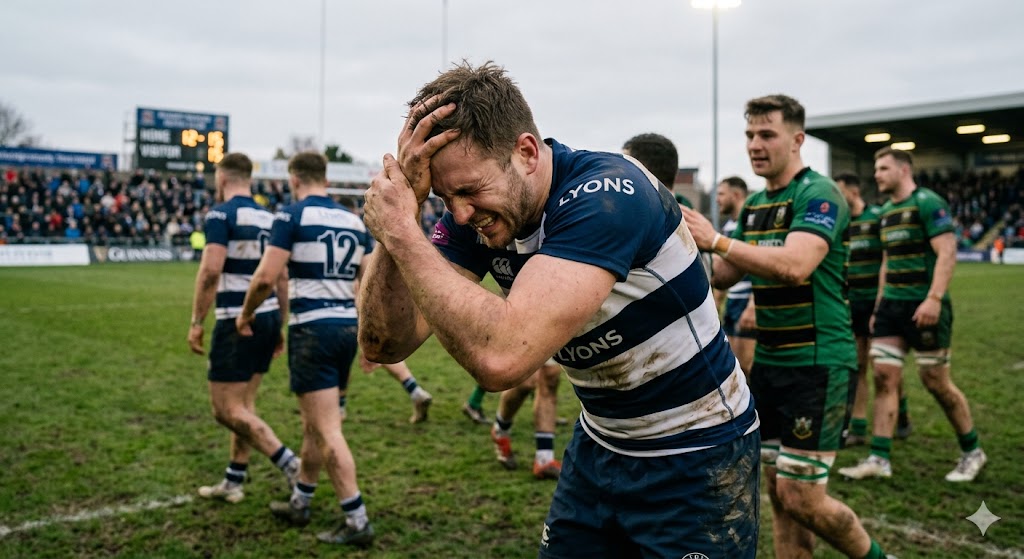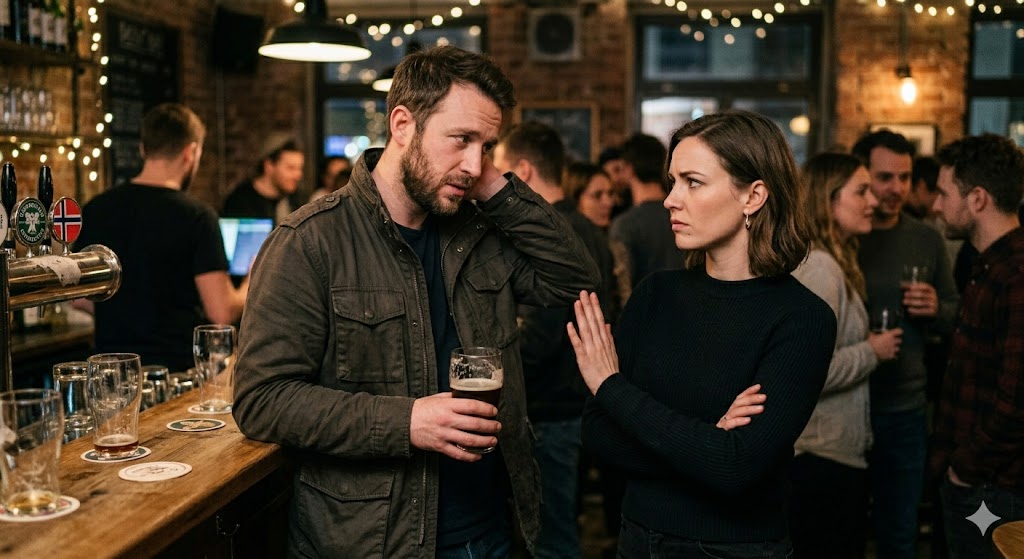
There was a time in my life when I took rejection personally.
Not just professionally.
Personally.
If an opportunity didn’t work out, I questioned my abilities.
If someone said no, I questioned my value.
If a relationship ended, I questioned my worth.
Looking back, I can see that I wasn’t really reacting to rejection itself. I was reacting to what I believed rejection meant.
I assumed rejection was proof that I wasn’t good enough.
And because of that belief, every rejection felt bigger than it actually was.
Over time, however, I learned something important:
Rejection is unavoidable.
Bitterness is optional.
That doesn’t mean rejection feels good.
It doesn’t.
It can be disappointing, frustrating, embarrassing, and sometimes genuinely painful.
But learning how to handle rejection without becoming bitter has been one of the most valuable lessons of my adult life.
Nobody Likes Rejection
Let’s be honest.
Most people don’t enjoy hearing “no.”
We want opportunities.
Acceptance.
Recognition.
Connection.
Approval.
When those things don’t happen, it’s natural to feel disappointed.
I think the mistake many of us make is believing that confident people don’t feel rejection.
They do.
The difference is that they don’t allow rejection to define them.
They understand that disappointment is temporary.
Bitterness can become permanent.
And that’s a much bigger problem.
Rejection Is Part of Every Meaningful Life
One thing I’ve noticed is that every person I admire has been rejected repeatedly.
Entrepreneurs get rejected.
Writers get rejected.
Athletes get rejected.
Artists get rejected.
Leaders get rejected.
Everyone who attempts something meaningful eventually hears “no.”
The only people who completely avoid rejection are usually the ones who avoid risk.
And that’s not much of a solution.
If you want growth, opportunity, relationships, or success, rejection comes with the territory.
It’s part of the admission price.
The sooner I accepted that reality, the less power rejection had over me.
The Story We Tell Ourselves Matters
In my experience, rejection itself is rarely the biggest problem.
The story we create afterward is often worse.
A job rejection becomes:
“I’ll never succeed.”
A relationship rejection becomes:
“Nobody wants me.”
A missed opportunity becomes:
“I’m not talented enough.”
Notice what happens.
A single event becomes a sweeping conclusion.
One disappointment suddenly represents an entire future.
I’ve done this myself.
Most people have.
The problem is that these stories are usually inaccurate.
A rejection simply means one opportunity didn’t work out.
It doesn’t predict the rest of your life.
Bitterness Feels Protective
One reason bitterness is so tempting is because it feels like protection.
When we’re hurt, bitterness gives us a target.
Someone else becomes the problem.
The company.
The person.
The situation.
The world.
I’ve seen people carry bitterness for years because it allowed them to avoid dealing with disappointment.
But bitterness comes with a cost.
It keeps you emotionally attached to the thing that hurt you.
You continue reliving it.
Replaying it.
Feeding it.
The rejection ends.
The bitterness continues.
And often the bitterness causes more damage than the original rejection ever did.
Rejection Doesn’t Determine Your Value
This may be the most important lesson I’ve learned.
Rejection is feedback.
It is not a measurement of human worth.
Not every opportunity is the right fit.
Not every relationship is meant to last.
Not every goal works out the first time.
Sometimes rejection reflects timing.
Sometimes circumstances.
Sometimes compatibility.
Sometimes factors completely outside your control.
Yet many people immediately assume rejection means they are fundamentally lacking.
I no longer believe that.
A person can be talented and still get rejected.
Capable and still get rejected.
Hardworking and still get rejected.
Good people hear “no” every day.
That doesn’t reduce their value.
Growth Often Begins With Rejection
Looking back, some of the rejections I hated most ended up helping me.
At the time, I couldn’t see it.
I only saw disappointment.
Years later, I could recognize how certain setbacks redirected me toward better opportunities.
Some rejections exposed weaknesses I needed to address.
Others pushed me to improve.
Others forced me to rethink my goals.
None of those lessons felt enjoyable in the moment.
But they were valuable.
Growth rarely arrives wrapped in comfort.
Sometimes it arrives disguised as rejection.
Don’t Let Rejection Make You Cynical
One of the biggest dangers of repeated rejection is cynicism.
After enough disappointments, it’s easy to stop trying.
Easy to assume the worst.
Easy to believe effort is pointless.
I’ve seen people become emotionally closed off because they were tired of being disappointed.
I understand the temptation.
But cynicism is a trap.
It protects you from hope.
It also protects you from possibility.
The same walls that keep disappointment out often keep opportunity out as well.
Confidence After Rejection
I used to think confidence came from being accepted.
Now I think confidence comes from surviving rejection.
Real confidence isn’t believing you’ll always succeed.
It’s knowing you’ll be okay even when you don’t.
That mindset changes everything.
When rejection is no longer viewed as catastrophe, fear begins to lose its grip.
You become more willing to take chances.
More willing to speak up.
More willing to pursue goals.
More willing to risk failure.
Not because rejection stops hurting.
Because you know it won’t destroy you.
My Honest Opinion
My honest opinion is that rejection is one of life’s most misunderstood experiences.
Most people see it as evidence that something is wrong with them.
I see it differently now.
I see it as part of being alive.
Part of pursuing goals.
Part of building relationships.
Part of growing.
What matters most is not whether rejection happens.
It will.
What matters is how we respond.
We can become bitter.
Or we can become wiser.
We can become cynical.
Or we can become stronger.
We can allow rejection to shrink our world.
Or we can continue moving forward despite it.
I’ve learned that rejection loses much of its power when you stop treating it as a verdict on your worth.
Because at the end of the day, rejection is simply an event.
It is not an identity.
And in my experience, the men who thrive in life are not the ones who avoid rejection.
They are the ones who refuse to become bitter because of it.
Good luck.
Stay strong and keep moving forward.
— RG
Founder, Real Grit for Men
“Strength is built one decision at a time.”