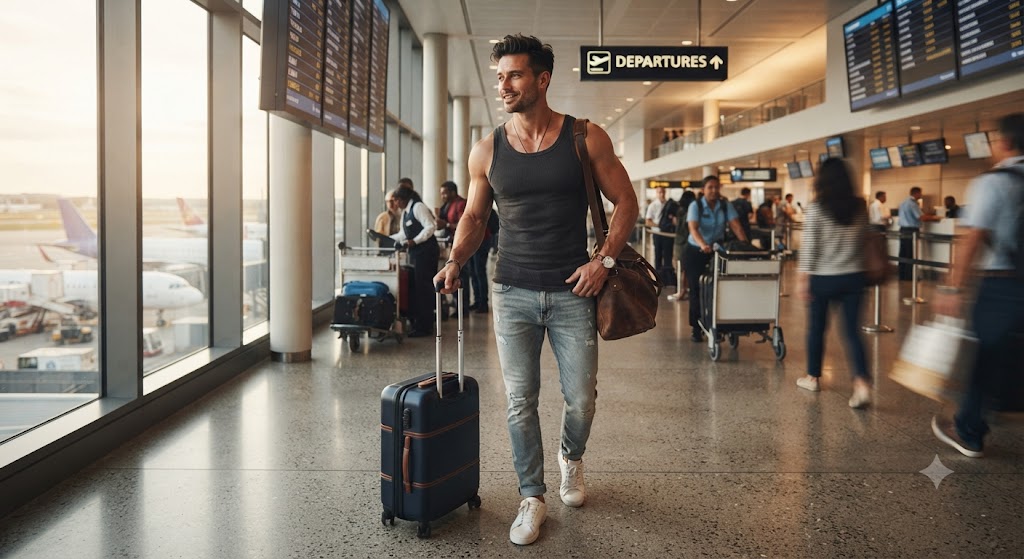
Flying has become more convenient than ever, but it has also become more complicated. Between baggage rules, seat selection fees, changing ticket prices, and optional extras, many travelers feel like they’re paying more while receiving less.
Airlines are businesses, and like any business, they look for ways to increase revenue. While there’s nothing wrong with that, understanding how airline pricing and policies work can help you make smarter travel decisions and avoid unnecessary costs.
Here are ten travel tricks that can save you money, reduce stress, and make your next flight a little easier.
1. Flight Prices Can Change Throughout the Day
Airline ticket prices are constantly updated based on demand, availability, and other factors.
If you’re planning a trip months in advance, it’s often worth checking prices over several days rather than purchasing the first fare you see. Comparing prices at different times can sometimes reveal noticeable differences.
The lowest fare isn’t guaranteed to appear at a specific hour or day, but flexibility often increases your chances of finding a better deal.
2. Traveling Midweek Can Be Less Expensive
Many people prefer traveling on Fridays and Sundays because they fit typical work schedules.
Higher demand on those days can lead to higher prices.
If your schedule allows, flying on Tuesdays or Wednesdays may provide more affordable options and less crowded airports.
Flexibility is often one of the easiest ways to reduce travel expenses.
3. Pack Light Whenever Possible
Checked baggage fees can significantly increase the cost of a trip.
Traveling with only a carry-on bag may save money while also reducing the chance of delayed or lost luggage.
Packing versatile clothing, rolling instead of folding garments, and avoiding unnecessary items can make carry-on travel surprisingly practical for many trips.
4. Read the Fare Rules Carefully
The lowest ticket price isn’t always the best value.
Some budget fares may include restrictions such as:
- No free seat selection
- Limited baggage allowance
- No ticket changes
- No refunds
- Later boarding groups
Before purchasing, compare the total cost after adding the services you actually need.
Sometimes paying slightly more upfront results in better overall value.
5. Download the Airline’s Mobile App
Many airlines provide useful features through their mobile apps.
These often include:
- Digital boarding passes
- Flight status updates
- Gate change notifications
- Baggage tracking
- Faster check-in
Receiving real-time notifications can reduce stress, especially during delays or schedule changes.
6. Bring an Empty Water Bottle
Airport security usually requires liquids to be discarded before screening.
Instead of purchasing expensive bottled water after security, consider carrying an empty reusable bottle and filling it at a drinking fountain or water refill station inside the terminal.
It’s a simple habit that can save money while reducing plastic waste.
7. Give Yourself More Time Than You Think You Need
One delayed train, traffic accident, or long security line can quickly turn a relaxing travel day into a stressful one.
Arriving at the airport early provides time to handle unexpected delays without rushing.
Having extra time also makes it easier to enjoy a meal, browse shops, or simply relax before boarding.
8. Keep Important Items in Your Carry-On
Even though airlines work hard to deliver checked luggage safely, delays and misplaced bags occasionally happen.
Always keep essential items with you, including:
- Passport or identification
- Medications
- Electronics
- Chargers
- Wallet
- Keys
- Travel documents
- A change of clothing for longer trips
This simple habit can make unexpected baggage delays far less disruptive.
9. Compare Nearby Airports
Large cities often have multiple airports.
Flying into or out of a nearby airport may result in lower ticket prices, different flight schedules, or reduced congestion.
However, always consider transportation costs and travel time before choosing an alternative airport.
A cheaper ticket isn’t always the least expensive option overall.
10. Stay Flexible Whenever Possible
Flexibility remains one of the most effective travel hacks.
Being open to different:
- Departure dates
- Return dates
- Flight times
- Airports
- Connections
can often reveal better prices and more convenient itineraries.
Even shifting your trip by one day can sometimes make a noticeable difference.
Bonus Tip: Don’t Ignore Airline Emails
Many travelers overlook emails sent after booking a flight.
These messages may contain important information about:
- Schedule changes
- Terminal updates
- Check-in reminders
- Boarding procedures
- Travel requirements
Reading these emails before departure can prevent surprises at the airport.
Smart Travelers Prepare Before They Fly
Experienced travelers know that successful trips usually begin long before arriving at the airport.
A few minutes spent reviewing baggage rules, checking travel documents, confirming transportation, and understanding your airline’s policies can prevent unnecessary frustration later.
Preparation doesn’t guarantee a perfect trip, but it does make unexpected situations much easier to manage.
Final Thoughts
Airlines won’t always advertise every way you can save money or make your journey easier. That’s why understanding how air travel works can be just as valuable as finding a discounted ticket.
Simple habits such as packing efficiently, comparing airports, reading fare rules, staying flexible, and arriving prepared can improve your travel experience without requiring expensive upgrades.
The best travel hack isn’t a secret—it’s being informed before you leave home.
Smart. Simple. Useful.
